PARP Inhibitors
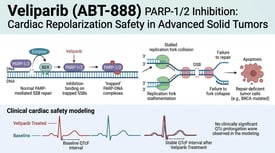
Poly (ADP-ribose) polymerase (PARP) inhibitors have revolutionized the treatment landscape for cancers harboring defects in DNA repair mechanisms, particularly those with mutations in the BRCA1 or BRCA2 genes. The PARP family, primarily PARP1 and PARP2, plays a crucial role in the detection and repair of single-strand DNA breaks (SSBs) through the base excision repair (BER) pathway. When PARP is inhibited, SSBs persist and are converted into double-strand breaks (DSBs) during DNA replication. In normal cells, these DSBs are efficiently repaired by the high-fidelity homologous recombination (HR) pathway. However, in cells with HR deficiency (HRD), such as those with BRCA mutations, the DSBs cannot be accurately repaired, leading to genomic instability and cell death—a concept known as synthetic lethality.
Beyond simply inhibiting the enzymatic activity of PARP, many of these drugs also act by 'trapping' PARP proteins on the DNA, creating stable PARP-DNA complexes that physically block replication forks, further contributing to cytotoxicity. Currently, several PARP inhibitors have received regulatory approval, including Olaparib, Rucaparib, Niraparib, and Talazoparib. These agents are primarily indicated for the treatment of ovarian, breast, prostate, and pancreatic cancers. They are classified based on their potency in inhibiting PARP catalytic activity and their ability to trap PARP on DNA, with Talazoparib being one of the most potent trappers. The clinical success of PARP inhibitors has led to their use as both monotherapy and maintenance therapy.
Despite their efficacy, the development of resistance is a significant clinical challenge. Mechanisms of resistance include the acquisition of reversion mutations that restore BRCA function, the loss of 53BP1 which can partially restore HR, and the upregulation of drug efflux pumps like P-glycoprotein. To overcome resistance and expand the utility of PARP inhibitors, current research is focused on combination strategies. These include pairing PARP inhibitors with other DDR inhibitors (such as ATR or Wee1 inhibitors), anti-angiogenic agents, or immune checkpoint inhibitors, as PARP inhibition can increase the tumor mutational burden and enhance the immune response. Common toxicities associated with this class include hematological effects like anemia and neutropenia, as well as gastrointestinal symptoms.
The identification of biomarkers beyond BRCA mutations, such as 'BRCAness' or genomic scars indicating HRD, is essential for identifying a broader population of patients who may benefit from these therapies. As the field evolves, the focus is shifting toward understanding the nuances of PARP biology in different cellular contexts and developing next-generation inhibitors that can overcome existing resistance mechanisms, potentially offering long-term disease control for patients with a variety of genetically defined malignancies.