P-gp Inhibitors
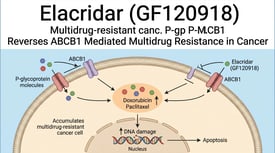
P-glycoprotein (P-gp), also known as Multidrug Resistance Protein 1 (MDR1) or ABCB1, is a 170 kDa membrane-bound efflux transporter belonging to the ATP-binding cassette (ABC) superfamily. It is widely expressed in normal tissues with barrier functions, such as the blood-brain barrier (BBB), the intestinal epithelium, the liver (canalicular membrane), and the proximal tubule of the kidney. P-gp functions as a biological "vacuum cleaner," using the energy from ATP hydrolysis to pump a diverse array of hydrophobic xenobiotics and endogenous metabolites out of the cell. While this serves a protective role in healthy tissues, the overexpression of P-gp in cancer cells is a major mechanism of multidrug resistance (MDR), as it actively extrudes various chemotherapeutic agents, including taxanes, anthracyclines, and vinca alkaloids, thereby reducing their intracellular concentration and therapeutic efficacy. The development of P-gp inhibitors has spanned several decades and is categorized into three generations. First-generation inhibitors, such as verapamil, cyclosporine A, and quinidine, were drugs already approved for other indications.
They were limited by low potency and high systemic toxicity at the doses required to inhibit P-gp. Second-generation inhibitors, like valspodar (PSC 833) and biricodar, were designed to be more potent and less toxic but were plagued by significant pharmacokinetic interactions, particularly the inhibition of CYP3A4, which led to unpredictable increases in the plasma levels of co-administered chemotherapeutics. Third-generation inhibitors, including tariquidar, elacridar, and zosuquidar, were developed using structure-activity relationship (SAR) studies to be highly potent, selective, and non-competitive inhibitors with minimal cytochrome P450 interactions. Despite the high potency of third-generation agents in preclinical models, clinical trials in oncology have been largely disappointing. Many trials failed to demonstrate a significant survival benefit, often due to the redundancy of efflux transporters (like MRP1 and BCRP) or the inherent toxicity of the chemotherapy when its clearance was altered. Current research has shifted away from systemic P-gp inhibition in cancer toward more nuanced applications.
One promising area is the use of P-gp inhibitors to enhance the CNS penetration of drugs that are normally excluded by the BBB, which could improve the treatment of brain tumors or neurodegenerative diseases. Another focus is the development of "dual inhibitors" that target multiple ABC transporters simultaneously. Furthermore, P-gp is a critical factor in drug-drug interactions (DDIs); thus, it is a standard requirement in drug development to assess whether new molecular entities are substrates or inhibitors of P-gp. Research tool compounds like rhodamine 123 and calcein-AM remain essential for in vitro efflux assays. The challenge remains to find a therapeutic window where P-gp can be inhibited in the tumor without causing intolerable toxicity in healthy barrier tissues. Recent structural studies using cryo-EM have provided new insights into the drug-binding pockets of P-gp, potentially paving the way for the design of fourth-generation inhibitors with even greater specificity.