GPX Inhibitors
Glutathione peroxidases (GPXs) are a family of antioxidant enzymes that play a critical role in protecting cells from oxidative damage by catalyzing the reduction of hydrogen peroxide and organic hydroperoxides using glutathione (GSH) as a reducing agent. Among the eight known human isoforms (GPX1-8), GPX4 has emerged as a particularly significant therapeutic target due to its unique ability to reduce lipid hydroperoxides within biological membranes. The mechanism of action of GPX4 is central to the regulation of ferroptosis, a form of regulated cell death characterized by the iron-dependent accumulation of lethal lipid peroxides. By maintaining lipid homeostasis, GPX4 prevents the catastrophic membrane damage that leads to ferroptotic cell death. In the context of disease, GPX4 is often overexpressed in various cancers, where it serves as a survival mechanism to evade ferroptosis, particularly in therapy-resistant and mesenchymal-like tumor cells.
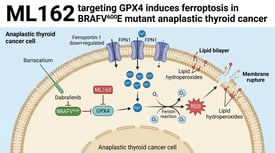
Conversely, GPX dysfunction is implicated in neurodegenerative diseases, such as Alzheimer's and Parkinson's, where excessive lipid peroxidation contributes to neuronal loss. GPX inhibitors are primarily being developed as anti-cancer agents to induce ferroptosis in recalcitrant tumors. These inhibitors are generally classified into direct and indirect inhibitors. Direct inhibitors, such as RSL3, ML162, and the FDA-approved drug altretamine, bind covalently to the selenocysteine residue in the active site of GPX4, irreversibly inactivating the enzyme. Indirect inhibitors act by depleting the intracellular pool of GSH, the essential cofactor for GPX4; examples include erastin and buthionine sulfoximine (BSO), which target the cystine/glutamate antiporter (System Xc-) and glutamate-cysteine ligase, respectively.
Current research progress is focused on improving the pharmacokinetic properties and metabolic stability of these compounds, as many early GPX4 inhibitors like RSL3 possess poor drug-like qualities. Preclinical studies have demonstrated that GPX4 inhibition can synergize with conventional chemotherapies, targeted therapies (like EGFR inhibitors), and immunotherapies to overcome drug resistance. However, a major challenge in the clinical translation of GPX inhibitors is the potential for systemic toxicity, given the essential role of GPX4 in maintaining the integrity of normal tissues, particularly in the brain and testes. Future research is directed toward developing tumor-targeted delivery systems and identifying biomarkers that can predict sensitivity to ferroptosis-inducing agents. Additionally, the exploration of GPX mimetics (like ebselen) for the treatment of inflammatory and neurodegenerative diseases represents a parallel and equally important area of pharmacological development.
Overall, the modulation of GPX activity remains a high-priority area in drug discovery, with the potential to transform the treatment landscape for both oncology and degenerative disorders.