SGLT Inhibitors
Sodium-glucose cotransporters (SGLTs) are a family of membrane proteins responsible for the transport of glucose across cell membranes, primarily in the kidneys and the small intestine. SGLT2 is located in the S1 and S2 segments of the proximal convoluted tubule and is responsible for approximately 90% of renal glucose reabsorption. SGLT1, found in the S3 segment of the proximal tubule and the brush border of the small intestine, handles the remaining 10% of renal glucose reabsorption and the majority of intestinal glucose absorption. SGLT inhibitors work by blocking these transporters, thereby increasing urinary glucose excretion (glucosuria) and lowering blood glucose levels in an insulin-independent manner. This mechanism also promotes natriuresis, which contributes to reductions in blood pressure and intraglomerular pressure. Initially developed for the management of type 2 diabetes mellitus, SGLT2 inhibitors have demonstrated profound clinical benefits far beyond glycemic control.
Large-scale cardiovascular and renal outcome trials, such as EMPA-REG OUTCOME and DAPA-HF, have established their role in reducing the risk of cardiovascular death and hospitalization for heart failure, as well as slowing the progression of chronic kidney disease (CKD). Consequently, these agents are now recommended for patients with heart failure (regardless of ejection fraction) and CKD, even in the absence of diabetes. Approved SGLT2 inhibitors include empagliflozin, dapagliflozin, canagliflozin, and ertugliflozin. Additionally, sotagliflozin, a dual SGLT1/2 inhibitor, has been developed to provide both renal and intestinal blockade, potentially offering enhanced glycemic control and cardiovascular protection. SGLT inhibitors are primarily classified based on their selectivity for the SGLT2 subtype over SGLT1. While high SGLT2 selectivity is generally preferred to avoid the gastrointestinal side effects (such as osmotic diarrhea) associated with SGLT1 inhibition, dual inhibition is being explored for its potential to blunt postprandial glucose excursions.
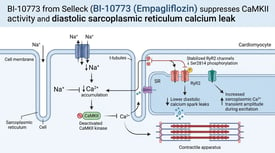
Despite their success, SGLT inhibitors are associated with specific adverse events. The most common are genital mycotic infections due to the high glucose concentration in the urine. Other concerns include a slightly increased risk of urinary tract infections, volume depletion-related hypotension, and a rare but serious condition known as euglycemic diabetic ketoacidosis. There was also an initial concern regarding lower limb amputations with canagliflozin, though subsequent data have been more reassuring. Current research is focused on the mechanisms underlying the "pleiotropic" effects of SGLT inhibitors, including their impact on myocardial metabolism, inflammation, and oxidative stress. Furthermore, studies are investigating their potential use in type 1 diabetes (as an adjunct to insulin) and in the prevention of acute kidney injury.
The rapid expansion of indications for SGLT inhibitors represents one of the most significant shifts in the management of metabolic and cardiovascular diseases in recent decades.